Transforming from Gunky into Pristine: Refresh Your Sinks in Minutes
Clogged drains are a usual problem that can disturb your daily routine and lead to high repairs if left unaddressed. From strands of hair and soap residue in bathroom sinks to food scraps and grease buildup in kitchen drains, there are many culprits that can turn your plumbing system from operational to irritating. The key to maintaining a clear drainage system lies not only in knowing how to deal with clogs as they arise but also in grasping the underlying causes and remedial steps you can take to keep your drains flowing smoothly.
In this guide, we will explore a variety of topics related to unclogging drains, including the main signs that a clog is about to happen, DIY techniques for common clogging issues, and the right time it’s time to call in a professional. We'll also delve into the efficacy of natural remedies versus harsh chemical cleaners, and the necessity of regular maintenance to prevent future blockages. Whether you are handling a troublesome toilet or a slow kitchen sink, our insights will guide you restore your drains in no time and keep them flowing well for the long haul.
Common Causes of Clogged Drains
Blocked drains are a common household concern, often caused by the accumulation of different materials over time. One of the main factors is hair, which can easily collect in bathroom drains and combine with detergent residue to create a persistent blockage. In cooking areas, food particles, grease, and culinary oils can build up, leading to a gradual blockage and eventually a total clog. Recognizing these typical causes can help you take preventative measures to avoid subsequent problems.
An additional significant factor contributing to obstructed drains is the use of chemical solutions. While they provide quick fixes, these aggressive substances can damage tubing and create further obstructions down the line. Additionally, the accumulation of hard water elements can restrict flow within pipes, resulting in sluggish drainage. Regular maintenance and the use of more eco-friendly cleaning options can help mitigate these concerns and prolong the longevity of your plumbing.
Tree roots are frequently an overlooked cause of drain obstructions. As roots look for water, they can infiltrate plumbing through tiny cracks, leading to significant obstructions. Drain Unblocking Coniston Cumbria is notably common in antique homes with aging plumbing systems. Being watchful about tree root development near your drainage pipes and performing regular inspections can help you identify such problems before they escalate, ensuring your drains remain unclogged and operational.
Indicators of Approaching Clogs
Identifying changes in your drainage system is crucial to elude a complete clog. One of the usual early warning signs is slow drainage. If water takes an extended period than usual to drain from your basins, bathtubs, or showers, it could suggest a buildup of debris and grease in the pipes. Disregarding this indicator may lead to a full blockage that could require prompt attention.
Another indication of an upcoming clog is odd sounds when water is draining. Gurgles or bubbling noises can indicate that air is ensnared in the pipes, often due to a minor blockage. These sounds are a signal that the drain is struggling to function correctly, and it may soon transform into completely clogged if not dealt with promptly.
Lastly, a persistent foul odor emanating from your drains can be a clear warning signal. This smell often results from rotting matter stuck within the drainage or stagnant water due to a delayed drain. If you come across this situation, it’s important to look into further to prevent the situation from worsening. Regular inspection for these signals can help maintain your drains in good condition.
DIY vs. Professional Services
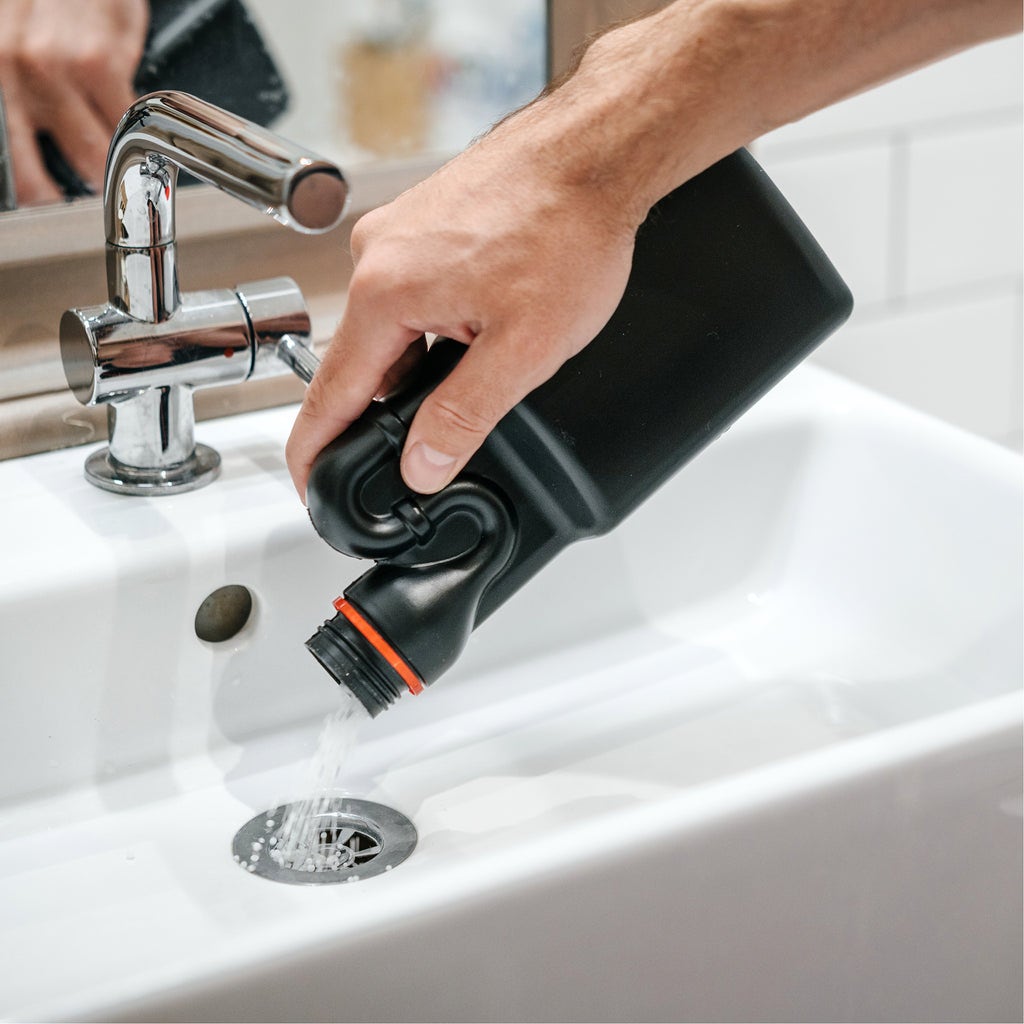
When it comes to clearing drains, many property owners often wonder whether to tackle the problem themselves or hire a specialist. DIY methods can be effective for minor clogs and are often cost-efficient. Simple techniques such as using a plunger, a drain snake, or home solutions like baking soda and vinegar can remove most blockages. Additionally, regular maintenance practices can stop clogs from occurring in the first place, making DIY options a practical choice for many.
However, there are situations where a certified plumber is the most appropriate option. If DIY methods have failed or if the clog is serious, calling in an expert can conserve time and avoid further issues to your plumbing system. Professionals possess specialized tools and techniques, such as hydro jetting or focused snaking, which can successfully address stubborn clogs that homeowners may experience difficulty with. They can also identify underlying problems that may have led to the blockage, providing a comprehensive solution.
Ultimately, the choice between DIY and professional services will be based on the seriousness of the clog and the homeowner's confidence in dealing with plumbing issues. For minor clogs, DIY methods can be a quick fix, while complex problems may require professional attention. Understanding your skills and the type of the blockage will help you in choosing the most suitable approach to restore your drains efficiently.