The Secret World of Peptide Chains: The Minute Architects
Polypeptides are intriguing molecules that play vital roles in almost every biological process. These short chains of amino acids are the foundations of life, acting as communicative molecules, hormones, and also as precursors to complex proteins. Despite their petite size, peptides have a significant impact on biological communication and function, making them key players in the intricate web of biological interactions.
In the past few years, the study of peptide biology has gained ground, revealing the extent of their relevance in modern biology. From understanding how peptides connect with cellular receptors to their possible therapeutic applications, researchers are uncovering the unseen world of these tiny architects. This article aims to provide a comprehensive overview of peptides, delving into their structure, function, and the state-of-the-art techniques used to study them. Whether you are a veteran scientist or just inquiring about the topic, come along as we explore the noteworthy significance of peptides in the realm of scientific discovery and innovation.
Overview to Peptides
Peptides are short sequences of amino acids that perform important functions in biological processes. Composed of multiple amino acids connected by covalent bonds, they function as signaling molecules, hormonal agents, and fundamental units for proteins. Despite their basic nature, peptides have a significant impact on multiple physiological functions and are essential to understanding cellular communication and regulation.
The field behind peptides reveals their notable versatility. They can influence everything from metabolic processes to immune responses, showcasing their potential as key players in pharmaceutical advancements and therapeutic applications. As researchers delve further into the world of peptides, the distinctions between them and proteins become more evident, highlighting the distinct characteristics that make peptides necessary in modern biological science.
Understanding peptides requires exploring their composition and role, as well as how they interact with cells. These tiny molecules are not just passive participants; they interact with cellular receptors, initiating a series of cell reactions. As we uncover the nuances of peptide function and robustness, the potential for novel applications in medical and biotechnology continues to increase, positioning peptides at the forefront of scientific research.
A Science of Peptides
They are small chains of amino acid residues linked by peptide bonds, acting as fundamental building blocks for proteins. Made up of 2-50 amino acids, peptides are distinguished from proteins primarily by size. Although proteins are longer and often fold into intricate structures, peptides tend to have simpler structures and exhibit a range of biological functions. Their unique sequences of amino acids determine their particular roles in cellular processes, making them crucial in biochemistry and molecular biology.
Grasping how peptides interact with cells is key to appreciating their biological significance. Peptides act as signaling molecules, binding with receptors on the surface of cells to trigger particular responses. These bindings are crucial to processes such as hormone signaling, immune responses, and neurotransmission. The way peptides bind into their receptors, akin to a lock and key, highlights their specificity in cellular communication. This complex dance between peptides and receptors underpins many physiological functions, revealing the fine complexities of life at the molecular level.
The study of peptides encompasses various techniques and methodologies aimed at elucidating their structure and role. Peptide Sciences employ mass spectrometry, chromatography, and bioinformatics to characterize peptides and evaluate their cleanliness and reliability. The advancement of synthetic biology has allowed the design and production of custom peptides, which are beneficial in therapeutic development and scientific research. As peptide science provides to evolve, comprehending the chemical and physical properties of these tiny architects will pave the way for new applications in medicine and biology.
Protein fragments in Research and Progress
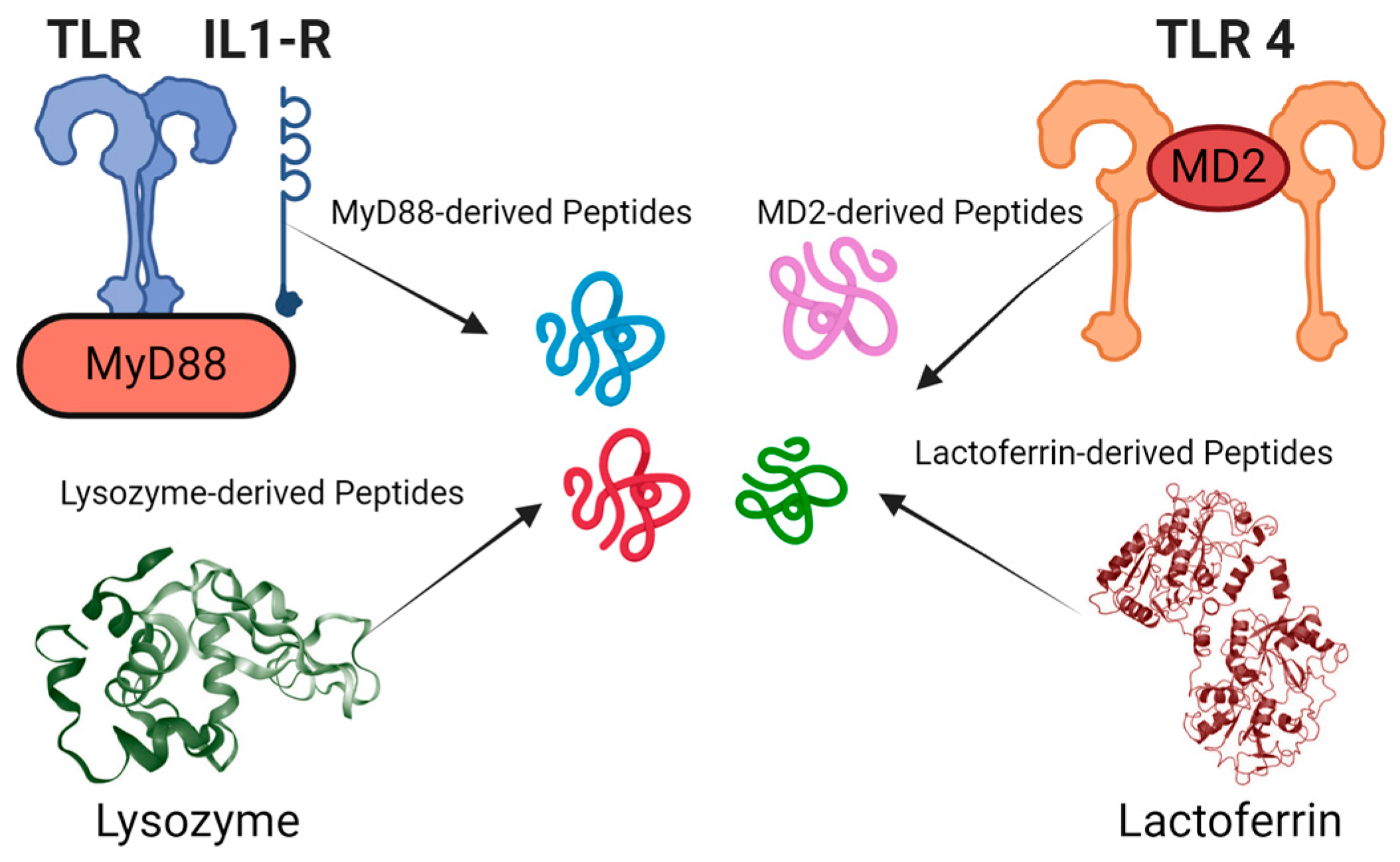
Peptides have established themselves as a key component of current research and advancement, particularly in the domain of biotechnology and drug development. Their unique ability to simulate organic functions makes them invaluable for formulating new therapies. Investigators are investigating how polypeptides can be designed to target certain protein molecules or receptors in the body, likely leading to advanced and less toxic treatment options for various illnesses, including tumors, blood sugar disorders, and autoimmune disorders.
Moreover, the development of man-made protein fragments has revolutionized the field of therapy. Scientists can create protein fragments with specialized compositions that enhance their durability, affinity, and functional efficiency. This tailoring allows for the fine-tuning of attributes, making them promising candidates in pharmaceutical development initiatives. As a result, the use of protein fragments in the creation of preventive therapies and directed interventions has achieved considerable momentum, with many polypeptides currently in testing.
Ultimately, advancements in computational biology and mass spectrometry have enabled the expedited discovery and characterization of polypeptides in scientific investigation. These techniques enable scientists to analyze peptide databases and analyze peptide-target interactions in a more comprehensive manner. As investigators continue to explore the nuances of peptide biology, the outlook of peptide science holds hope for groundbreaking findings and transformative implementations in medicine and other fields.