Safeguard Your Asset: Its Significance of High-Quality Watercraft Protectors
Owning a vessel is an adventurous experience, but it also comes with its own range of obligations. One of the most essential aspects of vessel ownership is safeguarding your asset, and that starts with choosing the appropriate boat cover. Whether you're a beginner in boating or have a wealth of experience, knowing the importance of premium boat covers can help you hours, cash, and hassle in the future.
A good boat cover acts as a primary line of protection against the elements, shielding your boat from severe weather, UV rays, and debris. In this ultimate guide, we will explore everything you need to know about selecting the ideal boat cover to keep your boat in pristine condition. From comprehending different materials and styles to discovering how to measure your boat for a precise fit, we will include it all. Let's delve into the essential features every boat owner should take into account when it comes to spending money in the proper cover to safeguard their beloved craft.
Selecting the Perfect Boat Cover
Selecting the perfect boat protection is crucial to make sure your investment is protected from the weather. Initially, consider the type of boat you possess and the particular needs it may have. Different boats, regardless they are performance boats, angling vessels, or flat-bottomed boats, have distinct shapes and sizes, which means their covers should be customized to accommodate them properly. The most effective method is to take measurements of your vessel accurately, taking into account factors like height, breadth, and size. This will help you decide whether you need a bespoke or universal protection.
When selecting a vessel protection, fabric plays a key role in durability and effectiveness. Typical materials include heavy-duty cloth and polyester, each with its benefits and disadvantages. Canvas is generally heavier and provides excellent UV defense, while synthetic fabric tends to be more lightweight and better water-resistant. You will want to choose a material that not only resists the weather conditions in your area but also is easy to manage and put away when not in use.
Lastly, evaluate the protection's characteristics to ensure it fulfills your particular requirements. Features like air ventilation can stop humidity accumulation, minimizing the risk of mold and mildew. Additionally, you should consider the simplicity of fastening the cover to ensure it remains in position during windy weather. Investing effort in choosing the perfect vessel protection will provide you with assurance and ensure your vessel is properly protected year-round.
Understanding Watercraft Cover Components
As picking a boat cover, the material is a vital factor that influences both protection and longevity. Frequent materials used in boat covers are canvas, polyester, and nylon. Canvas is a time-tested choice known for its robustness and ventilation, making it suitable for different weather conditions. Polyester, on the other hand, is a commonly chosen modern option due to its light nature and tolerance to moisture. It often comes with additional coatings for enhanced waterproofing and UV protection.
Nylon is another material to take into account, especially for those who prioritize flexibility and stretch. While it is light, it's crucial to note that nylon may not offer the same level of UV resistance as polyester or canvas. Additionally, there are synthetic blends available that merging the best features of several materials, providing excellent protection against strong winds, rain, and sun damage. Understanding these differences can help you determine a material that fits your particular needs.
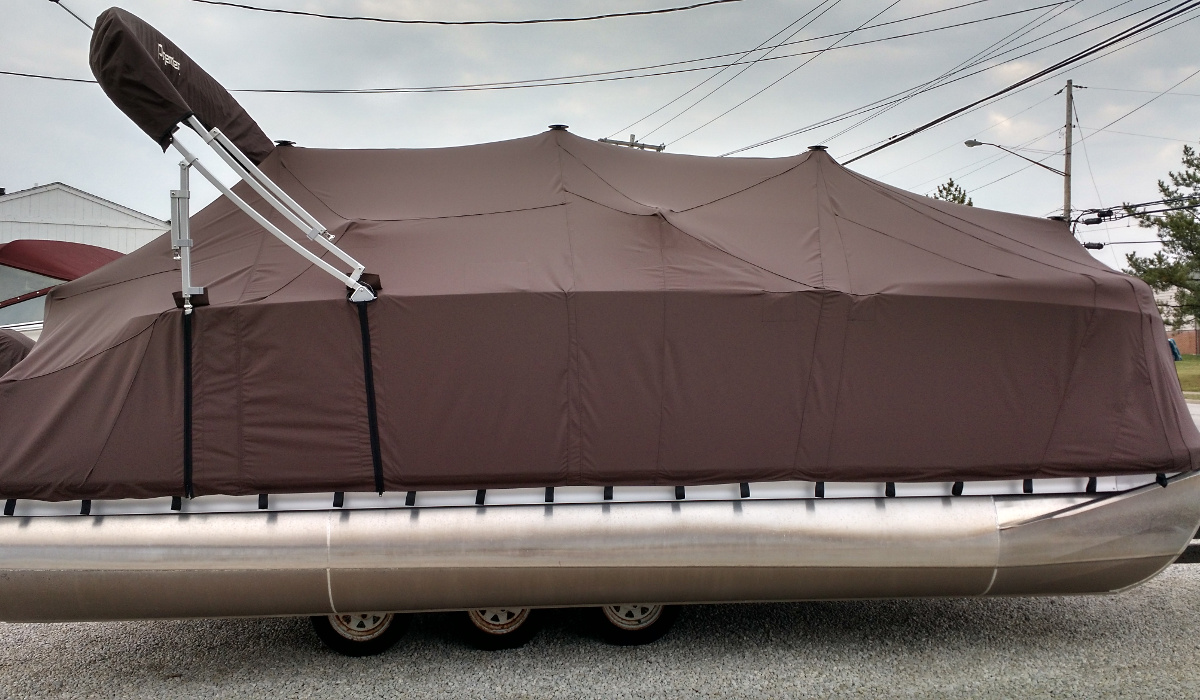
Regardless of the material you opt for, pay attention to the density and thickness. More substantial, thicker materials typically provide superior protection against harsh weather and physical damage, while thinner materials may be easier to maneuver and store. Always think about your boating environment and how often you'll be using the cover when choosing the appropriate material to ensure that your investment is well-protected.
Looking After Your Boat Cover
To guarantee your boat cover lasts and continues to provide maximum protection, regular maintenance is important. Begin by maintaining the cover regularly with a gentle brush and light soap combined with water. This assists get rid of dirt, debris, and salt that can cause wear over time. Rinse thoroughly and make sure it dries completely before storing it. Avoid using harsh chemicals that can break down the fabric and reduce its protective features.
Check your boat cover for any indications of wear or damage often. Look for tattered Boat Cover Lancaster Lancashire , tears, or areas that look stained. Small repairs can sometimes be made with specialized fabric glue or patches designed for boat covers. Addressing these issues quickly can avert them from getting worse and lengthen the life of your cover.
Finally, when your boat cover is not in use, appropriate storage is crucial. Store it in a chill, non-humid place away from direct sunlight to stop UV damage. For added protection, think about using a breathable storage bag that avoids moisture accumulation, which can lead to mold and mildew. By keeping in mind these maintenance tips, you will help to protect your investment and ensure your boat cover functioning effectively for years to come.