Revitalization Movement: The Next Era of Dental Care
Recently, the area of oral care has witnessed a significant transformation, leading to what many are referring to as a revolution of restorations. At the leading edge of this evolution is technology for dental implants, which has completely transformed the environment of tooth replacement and reconstruction. Whether you have suffered loss of a single tooth or numerous teeth, advancements in dental implants and reconstructive procedures offer patients a trustworthy route to regaining both their facial expression and their self-esteem.
As we dive into the realm of dental implant technology, it is important to understand the various aspects that constitute this field. From the benefits and disadvantages of dental restoration to the newest developments in methodologies and processes, this article will function as your comprehensive handbook. By analyzing the facts, methods, and considerations surrounding dental implants and reconstructions, we aim to provide you with the information needed to make knowledgeable choices about your dental health and restorative options. Participate with us as we discover how dental implants can profoundly improve your smile while enhancing overall dental well-being.
Grasping Teeth Implants
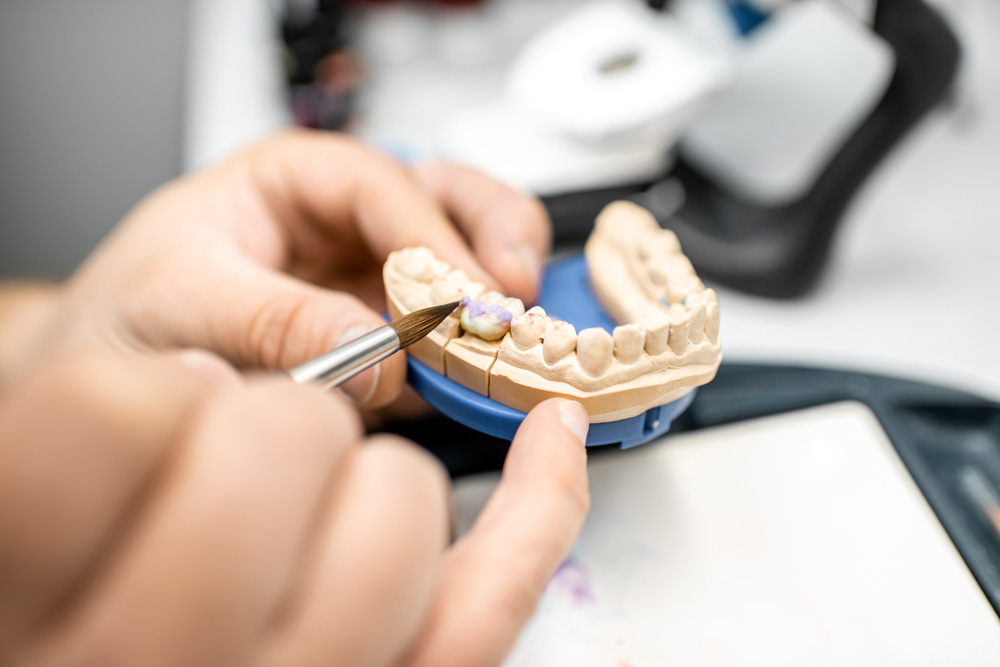
Dental implants are advanced options designed to replace missing teeth and provide a strong foundation for artificial teeth. They consist of a titanium post that is surgically placed into the jawbone, which acts as a root for the new tooth. Over time, the bone fuses with the implant in a procedure called bone integration, creating a solid support for caps, overdentures, or dentures. This revolutionary method not only restores function but also boosts aesthetics, making them a preferred option for numerous patients.
One of the significant benefits of dental implants is their ability to boost oral health. Unlike conventional tooth replacements that rest on the gums, implants connect directly with the jawbone. This integration prevents the bone loss that often happens with missing teeth. Additionally, sedation options for dental implant patients do not require the alteration of neighboring healthy teeth, which is a frequent necessity with bridges. Thus, they encourage improved long-term dental health and general mouth structure.
The implants are appropriate for different situations, from individual tooth replacements to complete restorations. During the consultation process, your oral health professional will assess your dental health, jawbone density, and personal preferences to identify if you are a candidate for dental implants. This personalized approach ensures that patients receive the most fitting treatment tailored to their requirements.
Procedure and Recovery
The dental implant process typically begins with a thorough consultation, where the dentist assesses your oral health, talks about your objectives, and develops a personalized treatment plan. This may involve various imaging methods, such as three-dimensional imaging, to guarantee accurate placement of the implant. Once you are deemed a qualified candidate, the process starts with the surgical insertion of the metal device into the bone structure. This stage is usually performed under local anesthesia, with sedation options available for those who may feel anxious.
After the surgery, the healing process starts, which is essential for the success of the implant. Bone integration, the process where the bone grows around the implant, typically takes several weeks. During this time, it is essential to follow your oral professional's post-operative care instructions to minimize discomfort and encourage healing. Be prepared for some swelling and soreness, which can be managed with recommended medications. Staying in touch with your dental care provider during this period allows for tailored advice and adjustments as necessary.
Once healed, impressions are taken to fabricate a custom restoration, such as a cap or bridge. After fitting, it's vital to maintain good dental care and attend regular dental check-ups to ensure the long-term viability of your devices. With the right attention, dental implants can last for a long time, providing both practical and cosmetic benefits. The emotional boost of restoring your smile and confidence cannot be understated, making the investment in dental implants a life-changing experience for countless people.
Benefits and Factors
Dental implants offer many benefits that make them a favored option for replacing missing teeth. One of the most significant advantage is their ability to closely mimic the appearance and function of natural teeth. This contributes not only to enhanced aesthetics but also to boosted confidence in social and professional settings. Additionally, dental implants help maintain bone density in the jaw, which prevents the bone loss that often occurs with missing teeth. They are also simpler to care for compared to conventional dentures, as they do not require specific adhesives and can be cleaned similarly to natural teeth.
However, there are important considerations to keep in mind when opting for dental implants. The upfront cost of dental implants can be higher than that of dental bridges or dentures, which can deter some patients. Furthermore, the success of implants depends on aspects such as adequate bone density and overall health, requiring potential candidates to undergo evaluations. Patients should also be aware of the healing process, which may take several months from the initial surgery to the placement of the final restoration.
Finally, while dental implants have a high rate of success, they are not without potential complications. Complications such as infection, nerve damage, or sinus issues can occur, underscoring the importance of selecting a qualified dentist for the procedure. Ongoing maintenance and care of dental implants are essential for long-term success, including regular dental check-ups and proper oral hygiene practices. Understanding both the advantages and factors of dental implants can empower patients to make informed decisions about their dental restoration options.