Do-It-Yourself Solar Energy Installation: Guidelines for Eco-Friendly Living
As society becomes more conscious of environmental issues and energy costs are on the rise, numerous residents are looking for sustainable solutions to power their homes. Solar panels have become a favored choice for those seeking to harness renewable energy while lowering their utility bills. This shift not only contributes to environmentally-friendly lifestyles but also provides the possibility of savings and enhanced property value.
Should you be considering solar panel installation, this thorough guide will walk you through the key elements of the installation. From understanding the benefits and expenses associated with solar power to tips on selecting the best panels for your house, we will discuss what you must know. Whether Go to this website 're a new buyer or wanting to upgrade your current system, planning and knowledge are crucial in making sure a successful installation. Let’s explore what to expect, how to prepare your home, and the frequent mistakes to avoid on your journey to energy independence.
Grasping Solar Energy Installation
Solar panel installation entails various essential steps that homeowners need to understand to ensure a successful transition to sustainable energy. The process typically begins with an assessment of the home to evaluate its suitability for solar panels. Factors such as roof orientation, shading from plants or homes, and regional weather patterns play a critical role in enhancing photovoltaic energy production. Property owners should acquire insights about their electricity usage to identify the appropriate system size, which can substantially influence overall performance and cost reductions.
Once the evaluation is concluded, the subsequent stage requires choosing the right photovoltaic modules and equipment. Solar Panel Installation Charlbury can opt between multiple types of solar panels, such as monocrystalline, multi-crystal, and ultra-thin systems. Every option comes with its own list of advantages and disadvantages, including effectiveness, appearance, and pricing. Additionally, grasping the warranties associated with photovoltaic modules and the install process can help homeowners make wise determinations.
The setup process typically needs professional expertise to guarantee safety standards and conformity with local regulations. A common setup involves installing the panels on the building's roof, connecting them to a photovoltaic inverter, and incorporating the system into the current wiring of the home of the residence. Taking the time to looking for and picking a reliable professional can greatly impact the process's outcome and durability. After installation, homeowners should also consider maintenance tips to boost the efficiency of the system and ensure ongoing energy savings.
Pricing and Positive Aspects of Solar Panels
The expense of solar panel installation can fluctuate depending on several factors, including the dimension of your system, the kind of panels you choose, and your geographic position. On average, homeowners can look to pay anywhere from $20,000 to thirty thousand dollars for a residential solar panel system before any tax credits or rebates are applied. While this preliminary cost may seem daunting, many homeowners experience a full return on their investment within 5 to ten through significant savings on their energy bills.
One of the primary benefits of installing solar panels is the decrease in energy costs. By creating your own electricity, you can significantly lower or even remove your monthly utility bills. In addition, numerous states offer rewards and tax credits that can further offset installation costs, making solar energy more accessible. Furthermore, as energy prices continue to rise, having a solar system can provide long-term financial security and peace of mind.
Beyond the financial aspect, the environmental benefits of solar panel installation are considerable. Solar power is a pure and renewable energy source that contributes to reducing carbon emissions and need on fossil fuels. By choosing to install solar panels, you are not only conserving money but also creating a positive impact on the environment. This sense of obligation and donation to a greener planet is more and more becoming an crucial consideration for homeowners.
Deciding on and Getting Ready for Setup
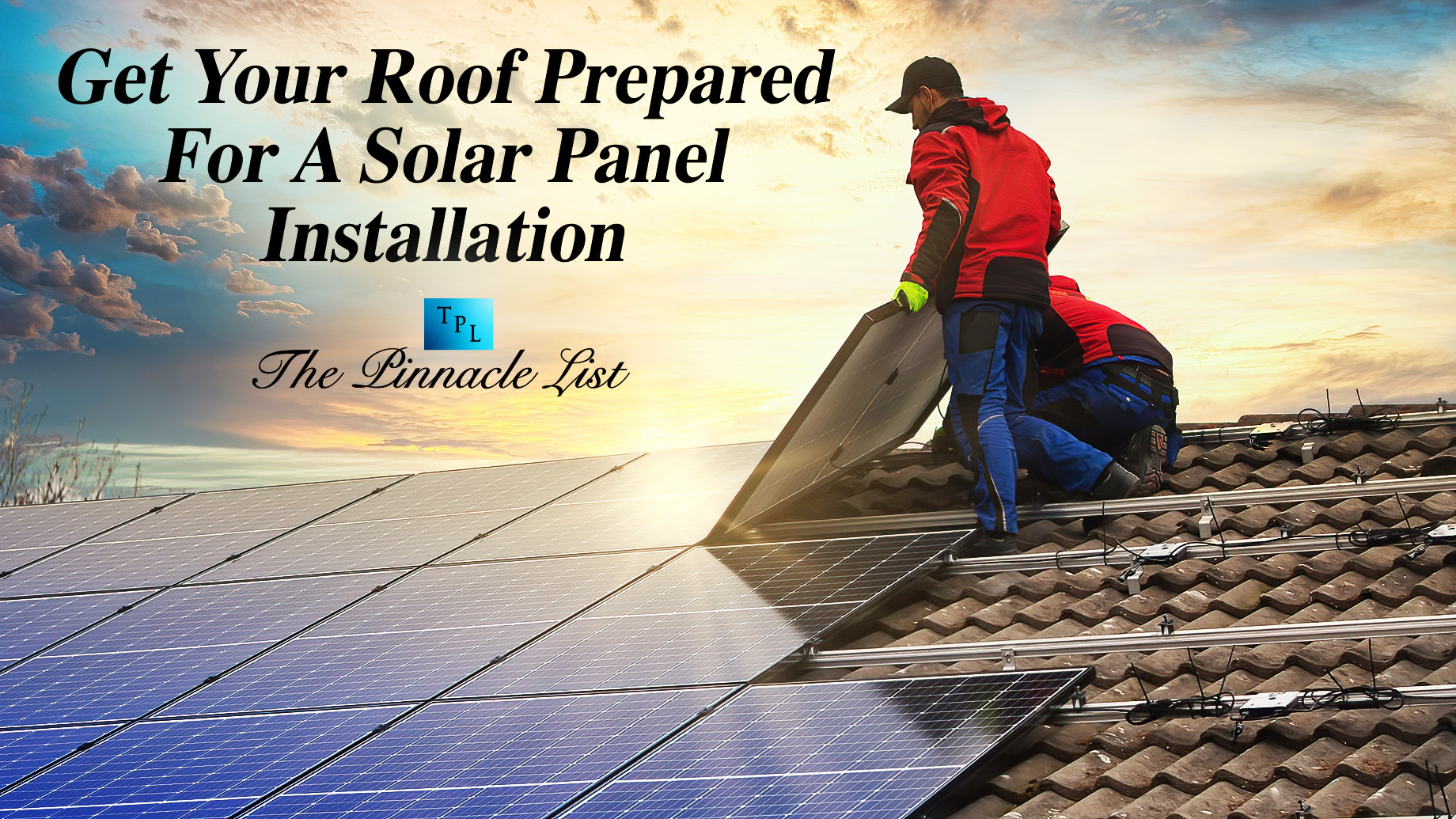
As you selecting solar panels for your home, think about factors such as efficiency, backing, and cost. The suitable panels should match your particular energy demands and integrate harmoniously with your home. Research different manufacturers and their products, like mono or multi-crystal, to find what suits best for you. Also, verify certifications and ratings that assure quality and performance. Working with solar energy experts can provide tailored advice that help in crafting an informed decision.
Preparation for installation is vital to secure a trouble-free process and optimal setup. Begin by checking your roof's health and position, as these components significantly affect solar panel performance. Prepare the installation area and clear any hindrances like branches or debris, which can hinder the installers’ work. Ensure that any required permits are acquired ahead of time, as local regulations can dictate installation procedures and criteria.
Spend the time to discuss openly with your solar panel installation company about your goals and issues. This cooperation should cover talking about the timeline, the installation process, and any extra features such as battery storage options. Knowing what occurs on installation day can help reduce stress and enable you to adequately prepare for any disruptions to your household activities. A thoroughly prepared approach lays the foundation for a effective solar panel installation and contributes to greener living.